
How to Choose the Right Indian Spices for
Date: 17 November 2026
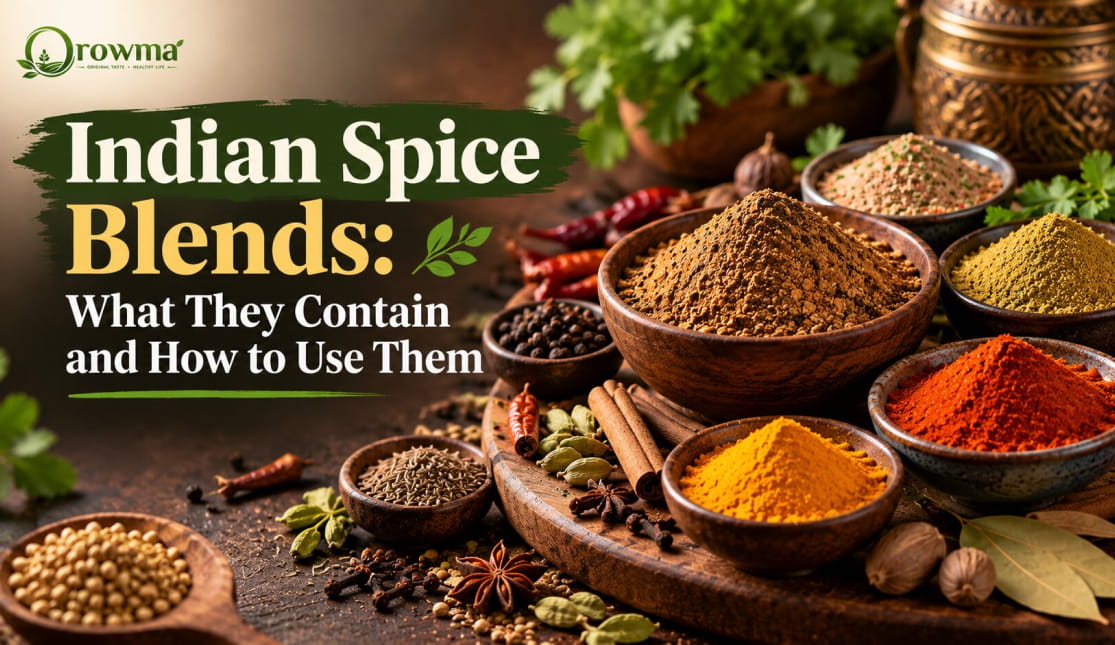
Indian spice blends combine different spices to create distinctive flavours for a variety of dishes. Some offer warm, aromatic notes, while others bring tanginess, heat, or savoury depth. Their ingredients and proportions vary by recipe, region, and manufacturer. Understanding these differences helps you choose the right masala for curries, dals, snacks, and other Indian preparations.
Why does one masala work beautifully in a rich curry while another tastes better sprinkled over a plate of chaat? The answer lies in the ingredients, proportions, and purpose of each blend.
Indian spice blends bring together individual spices to create a particular flavour profile. Some are designed to complement cooked dishes, while others add a tangy or savoury finish. Although different blends may share ingredients such as cumin, coriander, and chilli, they are not interchangeable in every recipe.
Understanding what goes into different blends makes it easier to choose the right Indian masala for everyday cooking without relying on guesswork.
An Indian spice blend is a combination of two or more spices prepared to create a particular balance of flavour and aroma. Depending on the blend, the ingredients may be ground into a powder or combined as whole seeds.
Using individual spices gives you control over each ingredient. A prepared blend, on the other hand, brings several flavours together in a convenient combination.
For example, cumin can contribute earthy notes, coriander can add a rounded, slightly citrus-like character, and chilli can provide heat. When combined with other ingredients in different proportions, they can produce very different results.
This is why two masala blends containing some of the same spices can taste quite different. Their composition, preparation, and intended use all matter.
If you want to understand the characteristics of individual ingredients first, Orowma’s guide to Indian spices and their flavours and uses provides additional background.
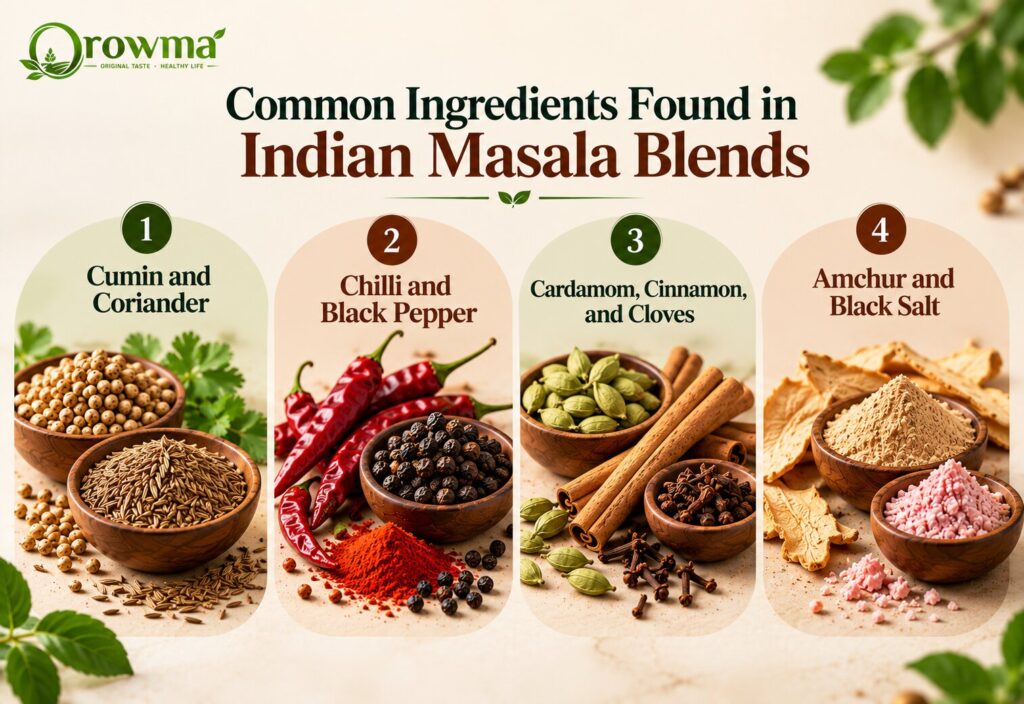
Not every blend contains the same ingredients. Some focus on aromatic spices, while others rely on tangy ingredients, chilli, or whole seeds. The following examples explain how commonly used ingredients contribute to different combinations.
Cumin has an earthy, warm character, while coriander offers a milder, rounded flavour with subtle citrus-like notes. Both appear in many Indian spice, although their proportions vary.
Together, they can provide a balanced foundation for different masalas. Cumin may also be used on its own in tempering, while coriander is frequently used as a whole spice or ground ingredient.
Chilli contributes heat and a characteristic peppery flavour. Black pepper adds a different kind of pungency and warmth.
The balance between these ingredients affects how a blend tastes. A masala with more chilli may feel hotter, whereas a blend containing black pepper and other aromatic spices may offer a more layered sensation.
These spices are valued for their distinctive aromas. Cardamom can bring a fresh, fragrant character, cinnamon contributes sweet-smelling warmth, and cloves provide a strong, pungent aroma.
They commonly appear in aromatic blends, including some garam masala formulations. However, the precise combination depends on the recipe.
Amchur, or dried mango powder, contributes sourness and tanginess. Black salt adds a distinctive savoury, sulphurous character.
These ingredients are commonly associated with chaat masala, helping distinguish it from blends primarily intended to add warmth and aroma to cooked dishes.
The important point is that ingredients should be understood in context. No single list represents every version of a particular Indian masala.
Indian cooking uses different blends for different purposes. Comparing their typical ingredients and flavour profiles makes it easier to understand where each one fits.
Spice blend | Common ingredients or characteristics | General flavour profile | Typical applications |
Garam masala | Often cumin, coriander, cardamom, cinnamon, cloves, and pepper | Warm, aromatic, and layered | Curries, gravies, dals, and rice dishes |
Chaat masala | Often amchur, black salt, cumin, and other spices | Tangy, savoury, and sometimes pungent | Chaat, fruit, salads, and snacks |
Sambar powder | Often coriander, dried chilli, lentils, and selected spices | Robust, savoury, and spicy | South Indian-style sambar |
Panch phoron | Traditionally fenugreek, nigella, cumin, mustard, and fennel seeds | Aromatic, seed-forward, with sweet and bitter notes | Tempering in Bengali and other eastern Indian preparations |
These are general descriptions, not fixed recipes. Ingredient combinations and proportions differ between households, regional traditions, and manufacturers.
Garam masala is generally associated with a combination of aromatic spices that gives cooked dishes depth and fragrance. Its composition may include cumin, coriander, cardamom, cinnamon, cloves, black pepper, and other ingredients.
It is commonly used in curries, gravies, dals, and rice preparations. The exact flavour depends on the ingredients and their proportions.
For a more detailed look at the available product, visit Orowma Garam Masala. This article focuses on comparing blends rather than repeating a complete ingredient guide or cooking tutorial.
Chaat masala has a different purpose. Its characteristic tanginess and savoury flavour make it suitable for preparations where a bright, punchy seasoning is desirable.
Amchur and black salt are common ingredients, alongside spices such as cumin. Individual formulations can vary considerably.
It is associated with chaat and other snack preparations, as well as fruit and salads. Explore Orowma Chaat Masala for a product-specific reference.
Sambar powder is associated with South Indian-style sambar, a lentil-based preparation often cooked with vegetables and tamarind.
Its ingredients commonly include coriander, dried chilli, lentils, and selected spices. The resulting blend is designed to complement the characteristic flavours of the dish rather than serve as a universal replacement for every masala.
Panch phoron is traditionally a mixture of five whole seeds: fenugreek, nigella, cumin, mustard, and fennel.
Unlike the powdered blends above, it is commonly used for tempering. The seeds contribute different aromatic, bitter, and sweet notes as part of the preparation.
This illustrates an important distinction: some Indian spice blends are designed to season a dish broadly, while others are intended for a more specific culinary role.
Choosing a masala becomes easier when you start with the flavour you want rather than the name of the blend alone.
For curries and gravies: Consider a suitable aromatic blend when you want warmth and depth. Garam masala is one common option, although the rest of the recipe determines the final flavour.
For dal: Choose a blend that complements the lentils and other seasonings already present. A dish-specific masala may be appropriate, while a more aromatic blend can serve a different purpose.
For tangy snacks and fruit: Chaat masala is a suitable option when you want a combination of sour, savoury, and pungent notes.
For South Indian-style sambar: Use sambar powder formulated for the dish instead of assuming that any general-purpose masala will produce the same result.
For Bengali-style preparations: Panch phoron may be suitable when a recipe calls for the characteristic flavour of a whole-seed tempering mixture.
When choosing between packaged blends, check the ingredient list, salt content, chilli level, and suggested applications. If you are unsure, begin with the blend specified in your recipe and adjust the overall seasoning to taste.
For broader guidance on matching seasonings to particular foods, see how to choose spices for different Indian dishes.
A few simple habits can help you use packaged masalas more consistently.
The aim is not to use more masala, but to select a blend that complements the other ingredients in your dish.
Indian spice blends differ in their ingredients, flavour profiles, and intended culinary uses. An aromatic blend such as garam masala serves a different purpose from the tangy seasoning of chaat masala or the whole-seed combination of panch phoron. Understanding these distinctions helps you choose more confidently and avoid unnecessary substitutions. Start with the dish you are preparing, consider the flavour you want, and select a blend suited to that purpose.
No. Ingredients and proportions vary by regional tradition, recipe, manufacturer, and intended use. Some blends emphasise aromatic spices, while others focus on tanginess, heat, or a particular dish.
Not always. Different blends can have different levels of heat, saltiness, tanginess, and aroma. Substituting one for another may change the character of the finished dish.
A whole-spice blend contains intact spices or seeds, whereas a powdered masala contains ground ingredients. The form affects texture, preparation, and how the blend is used in a recipe.
No. Some blends include chilli, while others focus on aromatic, tangy, savoury, or seed-based flavours. Check the ingredient list and product description if you prefer a milder seasoning.
Compare their ingredient lists, salt and chilli content, intended applications, and any preparation instructions. The blend that best suits your dish and preferred flavour is generally the more appropriate choice.
At Orowma, we bring authentic Indian flavors to your kitchen with carefully crafted spices and masalas. Made using traditional recipes and quality ingredients, our range includes spice powders, blended masalas, and whole
Get Started Now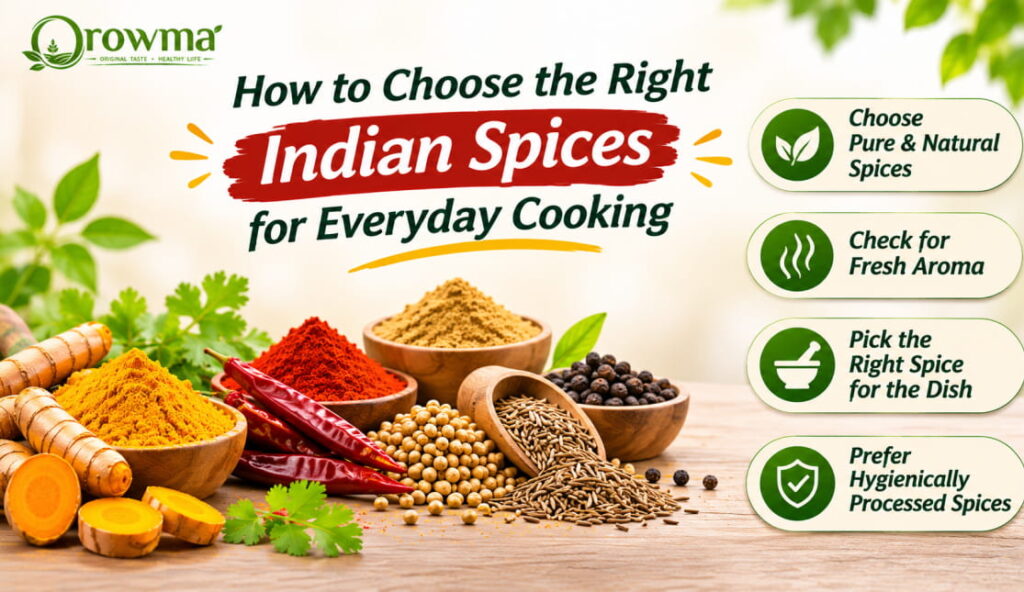
Date: 17 November 2026

Date: 13 November 2026
Date: 07 November 2026
We use cookies to improve your browsing experience, analyze website traffic, and provide essential website functionality. You can accept all cookies, reject non-essential cookies, or manage your preferences.
Manage your cookie preferences. You can enable or disable different categories of cookies below.
Essential cookies enable basic functions and are necessary for the proper function of the website.
Marketing cookies are used to follow visitors to websites. The intention is to show ads that are relevant and engaging to the individual user.
Website security powered by MilesWeb
Login to continue to Orowma
Join Orowma today
Enter the 6-digit code sent to your email.