
What Is Chaat Masala? Ingredients, Flavor, and Common
Date: 30 October 2026
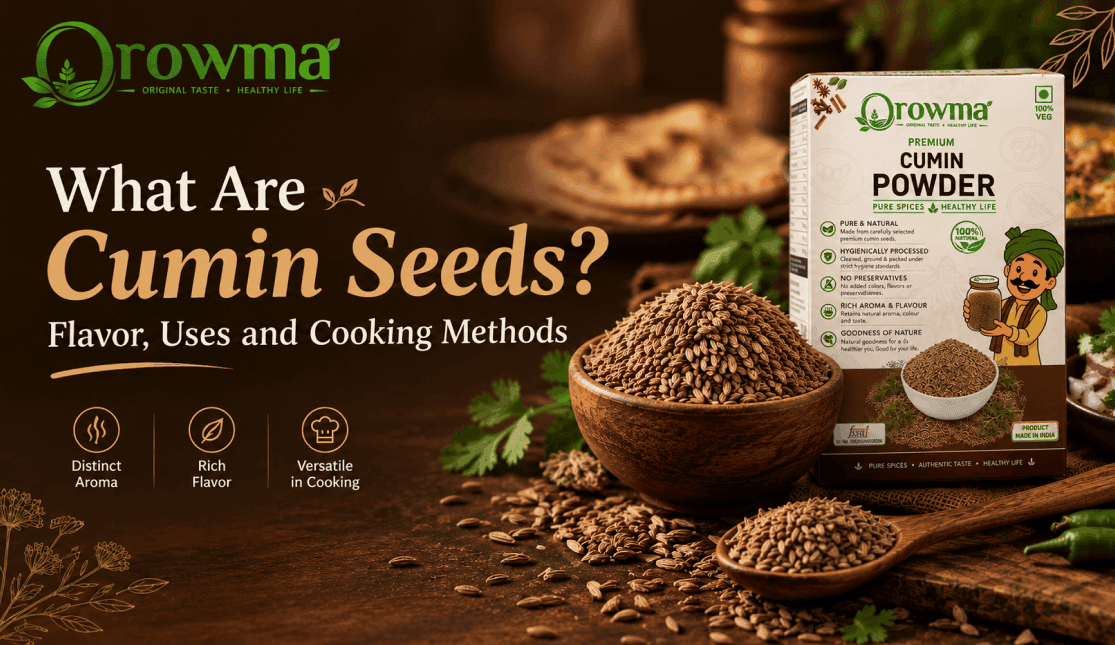
Cumin seeds are the dried seeds of the Cuminum cyminum plant and are commonly known as jeera in India. They are a popular whole spice with a warm, earthy, slightly nutty, and mildly peppery flavor. Cumin seeds are widely used in Indian cuisine for tempering, rice dishes, dals, vegetables, curries, and spice blends. They can be used whole, roasted, or ground depending on the recipe. Learning how to heat and combine cumin properly can help bring out its aroma without making the spice bitter or overpowering.
Cumin seeds are one of those simple kitchen ingredients that can make a noticeable difference to the flavor of a dish. Known as jeera, this small seed is one of the most commonly used Indian spices, adding a warm, earthy aroma to everyday cooking. It is also used in many other food traditions around the world. Cumin works particularly well with lentils, rice, vegetables, curries, yogurt-based dishes, and spice blends.
But what are cumin seeds exactly, and how should you cook with them? This guide explains their flavor, common cumin seeds uses, different cooking methods, and the practical difference between whole cumin and cumin powder.
Cumin seeds are the dried seeds of the Cuminum cyminum plant, an aromatic herb belonging to the parsley family. They are used as a whole spice or processed into cumin powder.
In India, cumin is commonly called jeera and is a familiar ingredient in everyday cooking. The whole seeds are small, elongated, and usually brownish in color. When heated, they release a strong, distinctive fragrance that becomes more pronounced as they toast.
Cumin is not limited to one type of cuisine. While it has an important place in Indian cooking, it is also used in Middle Eastern, North African, Latin American, and Mediterranean-inspired dishes.
If you want to explore how cumin fits alongside other commonly used spices, Orowma’s guide to Indian spices, their flavors, uses, and cooking tips provides a broader overview.
Cumin has a recognizable flavor, but its taste can change depending on how it is prepared.
Raw cumin seeds have a relatively subtle aroma compared with heated cumin. Once added to hot oil or ghee, the seeds become more fragrant and develop a warmer, toasted character.
The main flavor notes include:
The cooking method therefore matters almost as much as the spice itself.
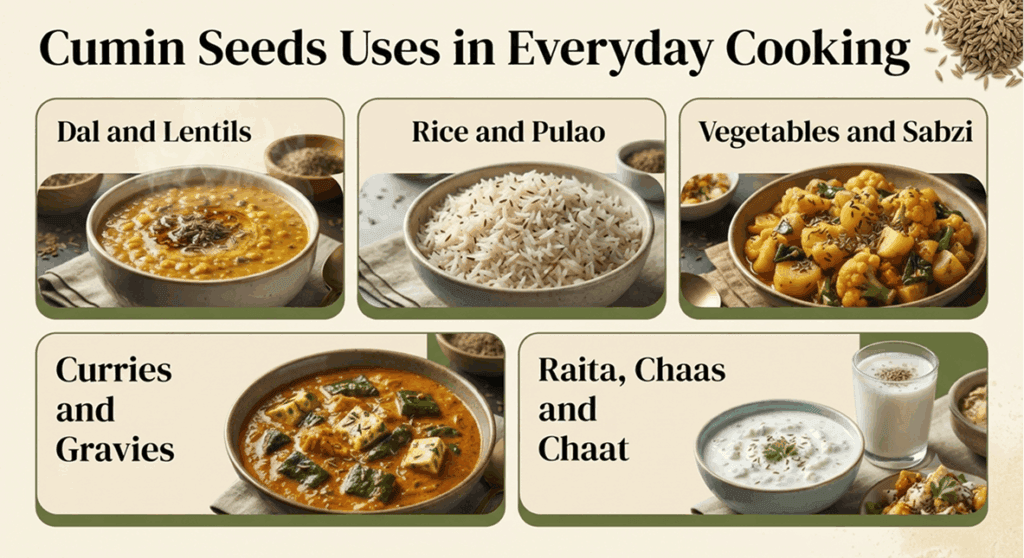
Cumin seeds are versatile enough to be used in simple everyday meals as well as more elaborate recipes.
Cumin is frequently used in dal, especially as part of a tadka. The seeds are heated in oil or ghee with other ingredients before being added to the cooked lentils. This gives the dal a fragrant finishing layer.
Whole cumin is commonly used in jeera rice and pulao. Adding the seeds to hot cooking fat before adding rice helps distribute their aroma throughout the dish.
Cumin works well with potatoes, cauliflower, peas, beans, spinach, carrots, and many other vegetables. A small amount of tempered jeera can provide a flavorful base without overpowering the main ingredient.
Cumin can be combined with coriander, turmeric, chilli, and other spices when preparing curries and gravies. Its earthy character helps create depth in the overall spice profile.
Roasted cumin powder is especially useful in yogurt-based dishes and snacks. It can be sprinkled over raita, chaas, fruit, chaat, or other preparations where a toasted spice flavor is preferred.
For more ideas about building a practical spice collection, see Orowma’s guide to essential Indian spices for everyday cooking.

There are several ways to use cumin, but three methods are particularly useful: tempering, dry roasting, and grinding.
Tempering, also called tadka, is one of the most common ways to cook whole cumin seeds.
The key is to avoid overheating the seeds. Cumin should become aromatic and lightly toasted, not dark or burnt. Burnt cumin can develop a bitter taste.
Dry roasting is useful when you want a stronger, toasted cumin flavor.
Place the seeds in a dry pan over low to medium heat and stir regularly. They should become fragrant and slightly darker without burning.
After roasting, allow the seeds to cool before using them whole or grinding them into powder.
Roasted cumin seeds can be ground into a fine or slightly coarse powder. Freshly ground roasted cumin is useful for raita, chaas, chaat, chutneys, spice mixes, and seasoning.
Grinding only the amount you need can also give you greater flexibility because you can keep the remaining cumin seeds whole for tempering.
Both forms have a place in the kitchen, but they are better suited to different cooking situations.
Whole cumin seeds are particularly useful when you want the spice to release its aroma gradually during tempering, roasting, or cooking.
Cumin powder is more convenient when you want the flavor distributed evenly throughout a dish.
For example, whole jeera is a natural choice for tadka and jeera rice, while roasted cumin powder works well in raita and chaat.
If you regularly cook with whole spices, understanding the difference between whole and ground spices can make it easier to choose the right form for each recipe.
When buying cumin seeds, look for clean, dry seeds with a natural aroma. The packaging should provide clear ingredient and product information.
Storage also makes a difference. Keep cumin in an airtight container in a cool, dry place away from direct sunlight, moisture, steam, and excessive heat.
Avoid storing spice containers right next to a cooking area where they are repeatedly exposed to heat and steam. A clean, dry spoon should also be used when taking cumin from the container.
For more practical guidance, you can also read this guide on why spices lose their flavor and aroma.
Absolutely. Although cumin is strongly associated with Indian cuisine, its flavor is useful in many international dishes.
It can be added to beans, roasted vegetables, soups, rice dishes, meat or plant-based marinades, stews, sauces, and spice blends. Its earthy character pairs particularly well with ingredients such as coriander, garlic, chilli, paprika, lemon, yogurt, and legumes.
This versatility is one reason cumin remains a useful whole spice for both Indian and global kitchens.
Cumin seeds are a versatile whole spice with a warm, earthy, slightly nutty flavor that can suit everything from dal and jeera rice to vegetables, curries, raita, and international dishes. Known as jeera, cumin can be tempered in oil or ghee, dry-roasted for a deeper flavor, or ground into powder for seasoning. The cooking method changes its aroma and taste, so learning when to use each form is useful for everyday cooking. Store whole cumin in an airtight container away from moisture, heat, and sunlight to help preserve its natural aroma. With the right technique, a small amount of cumin can add noticeable depth to a wide range of dishes.
Cumin seeds are the dried seeds of the Cuminum cyminum plant. They are used as a whole spice or ground into cumin powder and are widely used in Indian and international cuisines.
Yes. Jeera is the commonly used Indian name for cumin. Whole jeera refers to cumin seeds.
Common uses include tempering dal, making jeera rice and pulao, seasoning vegetables and curries, and preparing raita, chaas, chaat, chutneys, and spice blends.
Heat oil or ghee, add the cumin seeds, and let them sizzle until fragrant. Once they begin to crackle, add the other ingredients or use the tempered mixture in the dish.
Yes. Cumin seeds can be dry-roasted over low to medium heat until fragrant. They can then be used whole or cooled and ground into roasted cumin powder.
Cumin seeds are the whole form of the spice, while cumin powder is ground cumin. Whole seeds are especially useful for tempering, while powder distributes more evenly throughout dishes.
Store cumin seeds in an airtight container in a cool, dry place away from direct sunlight, moisture, steam, and excessive heat. Proper storage helps preserve their aroma and flavor.
Yes. Cumin can be used in soups, stews, beans, roasted vegetables, rice dishes, marinades, sauces, and spice blends across many cuisines.
At Orowma, we bring authentic Indian flavors to your kitchen with carefully crafted spices and masalas. Made using traditional recipes and quality ingredients, our range includes spice powders, blended masalas, and whole
Get Started Now
Date: 30 October 2026
Date: 27 October 2026

Date: 25 October 2026
We use cookies to improve your browsing experience, analyze website traffic, and provide essential website functionality. You can accept all cookies, reject non-essential cookies, or manage your preferences.
Manage your cookie preferences. You can enable or disable different categories of cookies below.
Essential cookies enable basic functions and are necessary for the proper function of the website.
Marketing cookies are used to follow visitors to websites. The intention is to show ads that are relevant and engaging to the individual user.
Website security powered by MilesWeb
Login to continue to Orowma
Join Orowma today
Enter the 6-digit code sent to your email.