
What Is Chaat Masala? Ingredients, Flavor, and Common
Date: 30 October 2026
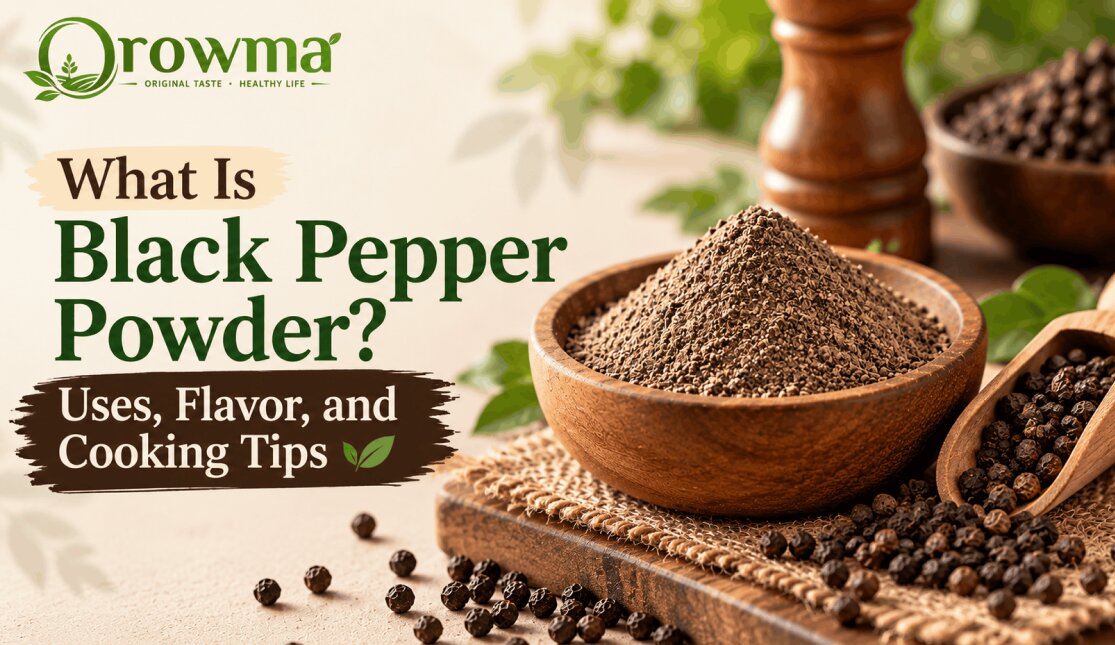
Black pepper powder is made by grinding dried black peppercorns. Known as kali mirch in India, it adds a sharp, warm flavour to foods such as dal, soup, vegetables and selected curries. You can add it while cooking or sprinkle a little over a finished dish. Store it away from heat and moisture to help retain its aroma.
There is a simple way to change the flavour of a bowl of soup without making another masala mixture: add a little black pepper.
Most Indian kitchens already have kali mirch somewhere on the spice shelf, although it doesn’t always get used as often as cumin or coriander. That’s a shame, because black pepper has a character of its own. It can bring a gentle warmth to dal, add a little bite to sautéed vegetables and give a simple sandwich a more interesting finish.
The trick is knowing how much to use. Too little may go unnoticed; too much can overpower the other ingredients. Let’s look at what black pepper powder actually tastes like, where it works best and how a few small changes in your cooking routine can help you use it better.
Black pepper powder is made by grinding dried peppercorns from the Piper nigrum plant. In India, it is commonly called kali mirch and is used in a variety of savoury dishes.
You may have seen whole black peppercorns in a spice jar or used ground pepper straight from a packet. Both come from the same spice, but the form makes a difference to preparation. Whole peppercorns need to be crushed or ground before use, whereas powder can go directly into a dish.
Freshness matters, too. Grinding exposes more of the pepper to air, and its aroma gradually fades during storage. If you’ve ever opened an old packet and found that it smells less pronounced than you remember, that’s one reason to pay attention to how long the spice has been open and how it is stored.
Black pepper has a sharp, warm and pungent flavour. It brings a peppery sensation that lingers briefly after a bite, along with an aroma that becomes noticeable when the spice is freshly ground or added to hot food.
It is not quite the same as red chilli powder. Chilli brings its own type of heat and often adds colour to a dish, while black pepper has a distinctive pungency that works particularly well with savoury ingredients.
Think about a simple vegetable soup. A pinch of pepper can make the seasoning feel more complete without changing the soup’s colour or adding another strong flavour. The same idea works with paneer, roasted vegetables and some dal recipes.
Black pepper also pairs well with garlic, ginger, lemon, cumin and coriander. The aim isn’t to make every dish taste of pepper; it’s to use enough to complement what is already there.
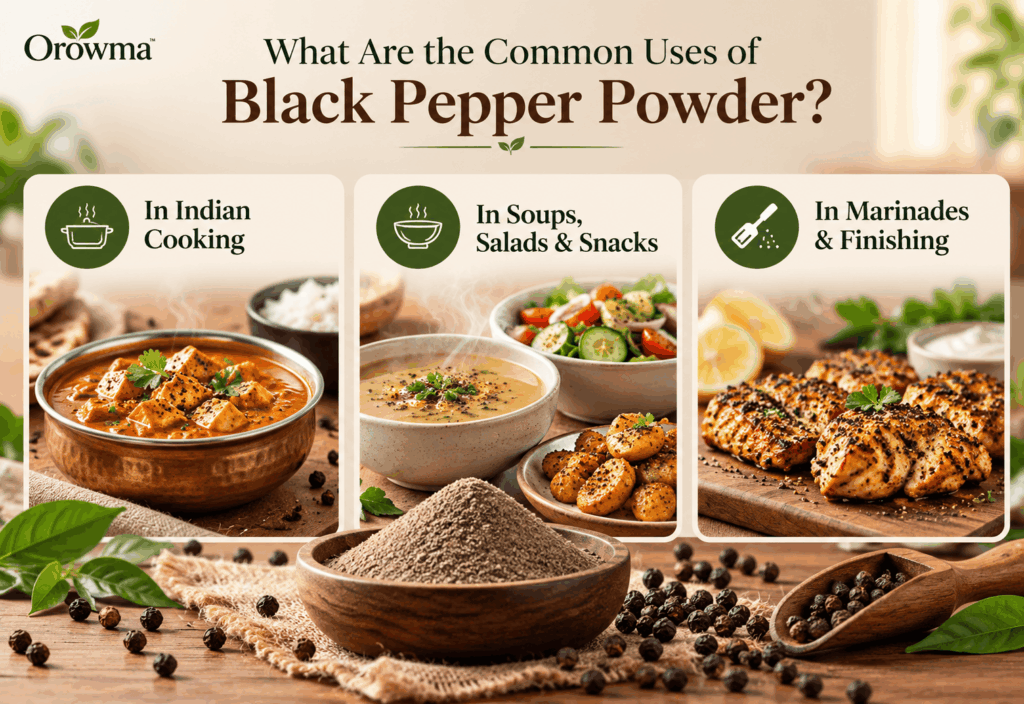
Black pepper is useful in more dishes than you might expect. You don’t need a special recipe to use it; sometimes, the best place to start is with a meal you already make regularly.
Take dal, for example. Depending on the recipe, a little black pepper can sit comfortably alongside cumin, ginger and garlic. It can also be used in selected vegetable dishes, soups and gravies when you want a warm, peppery note.
Paneer is another good option. Mix a little pepper into your seasoning before sautéing or roasting it. You can do the same with vegetables, adjusting the amount to suit the other spices.
That doesn’t mean kali mirch belongs in every Indian curry. Some regional recipes depend on a particular balance of spices, and adding pepper may change the intended taste. Use it where it makes sense rather than adding it automatically.
This is probably one of the easiest ways to start using pepper more often.
A little sprinkled over tomato soup can provide a sharper finish. For a quick salad dressing, combine pepper with lemon juice, a little oil and salt. It also works with roasted potatoes, sandwiches and sautéed vegetables.
If you’re making a snack at home, try seasoning it in two stages. Add a small amount during preparation, then taste before adding more. This gives you better control over the final flavour.
For paneer, tofu and vegetables, black pepper can be combined with ingredients such as yoghurt, lemon juice, ginger and garlic. The exact mixture depends on what you’re preparing, so there is no need to follow one fixed combination.
Pepper can also be added just before serving. A small sprinkle over hot soup or cooked vegetables makes its aroma more noticeable than it might be after a long cooking period.
These are some of the most practical black pepper uses for everyday meals, especially when you want to add flavour without preparing an elaborate spice blend.
The answer depends on the dish.
When making dal, soup or gravy, you can add pepper during cooking so its flavour blends with the other ingredients. This works well when you want the seasoning to become part of the dish rather than stand out on its own.
For a more noticeable pepper aroma, add a little towards the end. Try this with soup or sautéed vegetables and compare the result with a batch where the pepper was added earlier.
One thing worth avoiding is letting ground pepper scorch in a very hot pan. Excessive heat can affect its flavour, so the timing should suit the recipe.
Try this at home: The next time you make soup, add a small pinch while cooking and taste it. Add another tiny pinch just before serving. Notice which version gives you the flavour you prefer. This simple comparison can help you decide how to season other dishes, too.
Both forms have their advantages. The right choice comes down to convenience and how you like to prepare your food.
Feature | Black Pepper Powder | Whole Peppercorns |
Preparation | Ready to use | Need crushing or grinding |
Aroma | May lose aroma faster after grinding | Usually retains aroma longer when stored properly |
Best suited for | Quick seasoning and everyday cooking | Fresh grinding and recipes calling for whole pepper |
Storage | Airtight and dry | Airtight and dry |
Ground pepper is handy when you are cooking quickly and want to season a dish without another step. Whole peppercorns are useful if you prefer to grind only what you need.
Neither is always the better option. If convenience matters most, powder is practical. If you enjoy freshly grinding spices, whole peppercorns may suit your routine better.
When buying pepper powder, check the ingredient list, packaging seal and freshness information. Choose a supplier that provides clear product details, rather than judging the spice by colour alone. Appearance and aroma can offer clues, but neither independently proves purity.
Once you open the packet, storage becomes important.
Keep the powder in an airtight container in a cool, dry cupboard. Avoid leaving it beside the stove, where heat and steam can reach it repeatedly. Always use a dry spoon, particularly during humid weather, and close the container after use.
There’s also no need to buy a large quantity if you use pepper only occasionally. A smaller pack that gets used regularly may be more practical than keeping an opened packet for months.
These habits apply to other fresh spices as well. Good storage cannot preserve flavour indefinitely, but it can help slow the loss of aroma.
If your pepper jar usually stays untouched, start with something familiar.
Try one application at a time rather than adding pepper to everything. You’ll soon get a better sense of which dishes benefit from it.
If you’re looking for other spices for everyday Indian cooking, you can explore Orowma’s range of Indian spices.
Black pepper powder doesn’t need a complicated recipe to be useful. It can add a little warmth to dal, bring out the seasoning in roasted vegetables or give soup a sharper finish. The difference often comes down to how much you use and when you add it. Keep the powder dry, protect it from heat and start with a small pinch until you find the balance you like. For more Indian cooking spices, visit Orowma.
It is made by grinding dried black peppercorns from the Piper nigrum plant. The resulting spice is used to season a wide range of savoury foods.
It can season dal, selected curries, soups, salads, roasted vegetables, marinades and snacks. The amount depends on the recipe and your preferred flavour.
Add it during cooking when you want its flavour to blend with other ingredients. Add it near the end when you prefer a more noticeable peppery aroma.
The terms generally mean the same thing. Both refer to ground black peppercorns, although the texture can vary from fine powder to a coarser grind.
Keep it in an airtight container in a cool, dry place away from sunlight, steam and heat. Always use a clean, dry spoon.
Yes, it can be used in suitable recipes. Start with a small quantity and adjust it according to the other spices and the flavour you want.
At Orowma, we bring authentic Indian flavors to your kitchen with carefully crafted spices and masalas. Made using traditional recipes and quality ingredients, our range includes spice powders, blended masalas, and whole
Get Started Now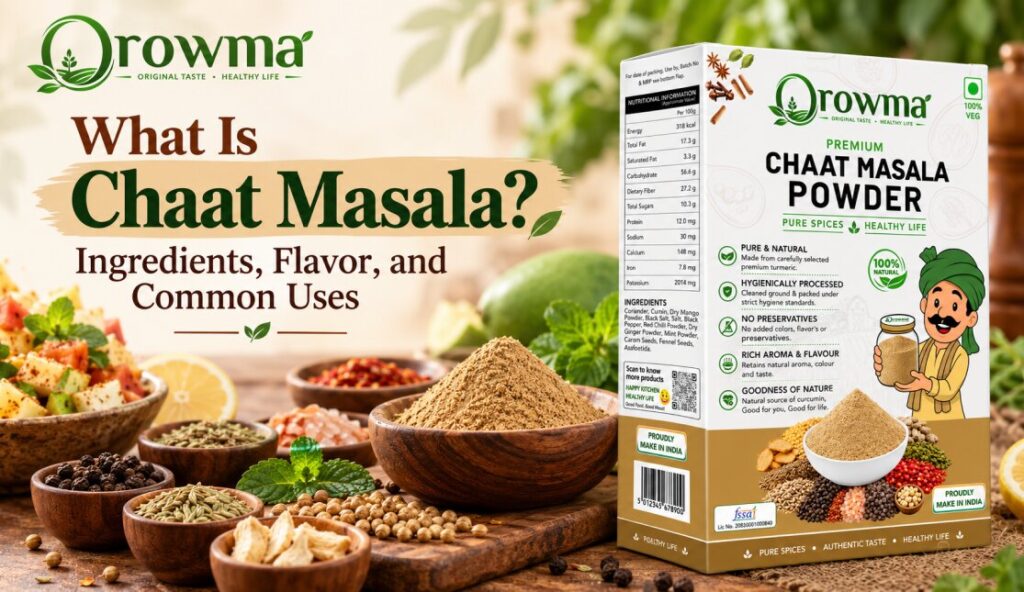
Date: 30 October 2026
Date: 25 October 2026
Date: 22 October 2026
We use cookies to improve your browsing experience, analyze website traffic, and provide essential website functionality. You can accept all cookies, reject non-essential cookies, or manage your preferences.
Manage your cookie preferences. You can enable or disable different categories of cookies below.
Essential cookies enable basic functions and are necessary for the proper function of the website.
Marketing cookies are used to follow visitors to websites. The intention is to show ads that are relevant and engaging to the individual user.
Website security powered by MilesWeb
Login to continue to Orowma
Join Orowma today
Enter the 6-digit code sent to your email.