
What Is Chaat Masala? Ingredients, Flavor, and Common
Date: 30 October 2026
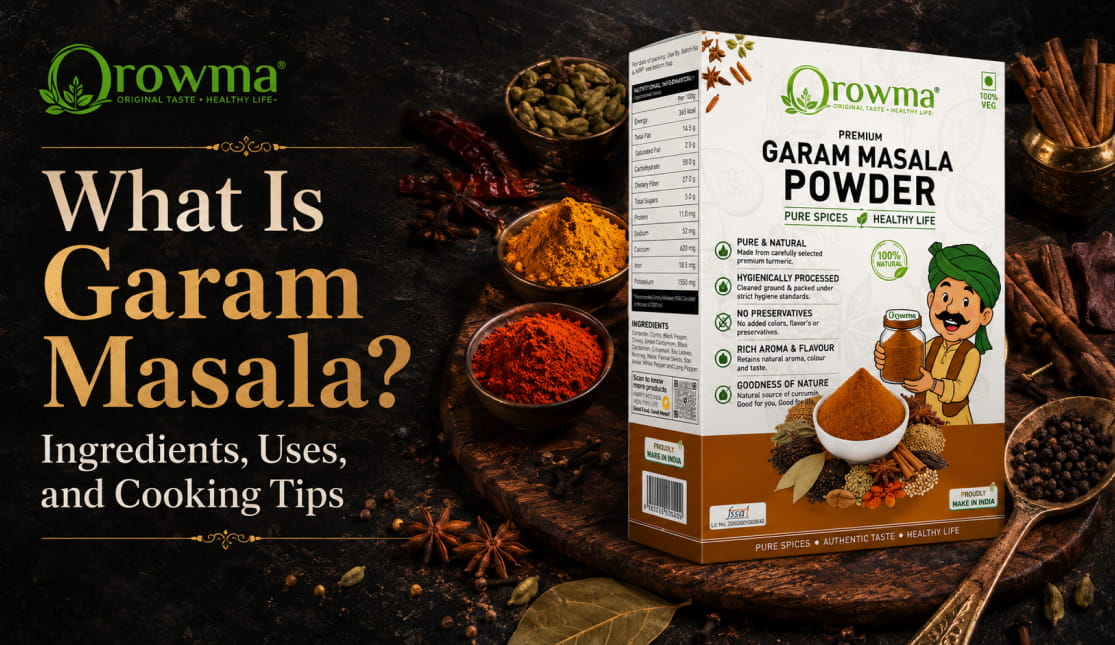
Garam masala is a fragrant Indian spice blend made by combining different whole spices or ground spices. Common garam masala ingredients include cumin, coriander, cardamom, cinnamon, cloves, black pepper, and bay leaf, although the exact combination and proportions vary by region and recipe. Garam masala powder is mainly used to add warmth, aroma, and depth to dishes such as dal, paneer, sabzi, curries, chole, and biryani. It is usually added toward the end of cooking or during the final stage so its aroma remains noticeable.
If you have cooked Indian food before, you have probably come across garam masala. It is one of the most familiar blends in Indian kitchens, yet there is no single recipe that defines it. What is garam masala? In simple terms, it is a blend of aromatic Indian spices prepared in different combinations depending on regional traditions, family recipes, and the dish being prepared.
Unlike a single spice such as cumin or turmeric, garam masala brings several flavors together in one blend. Its aroma can be warm, sweet, earthy, woody, peppery, or slightly floral. The blend can be made from roasted whole spices, ground spices, or a combination of both. Understanding its ingredients and how to use it can help you add flavor without overpowering your food.
Garam masala is a traditional Indian spice blend prepared from a combination of aromatic spices. The word refers to a warming spice mixture, but that does not mean it simply makes food hot or spicy. Its main purpose is to add fragrance, complexity, and depth of flavor.
There is no universal formula for Indian garam masala. One regional recipe may emphasize cardamom and cinnamon, while another may contain more cumin, black pepper, cloves, or other spices. Household recipes can also differ considerably. The Spices Board India provides information about Indian spices and their varieties, which can be useful when exploring the spices commonly used in Indian cooking.
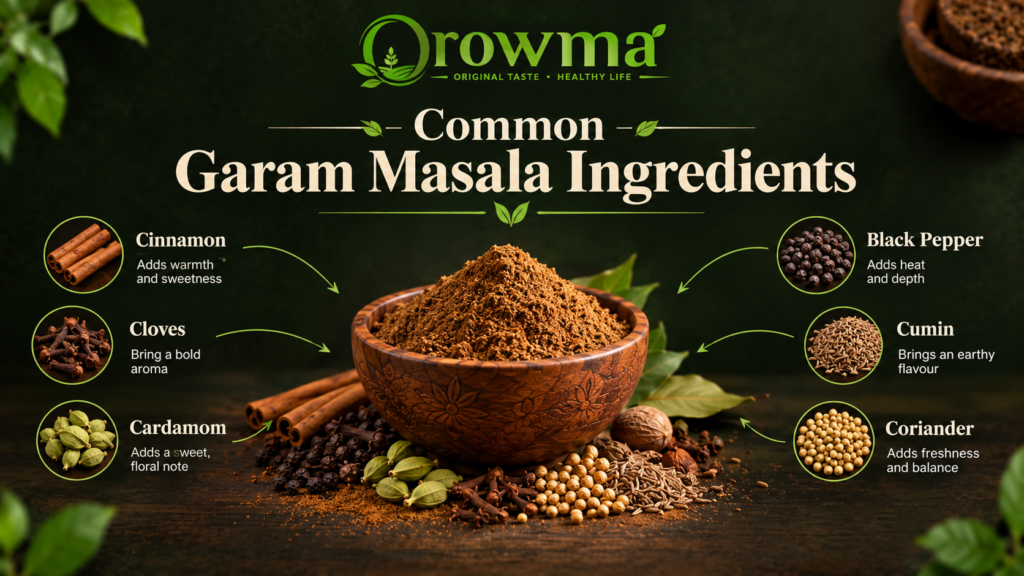
The exact garam masala ingredients depend on the recipe, but several spices commonly appear in different versions.
Cumin contributes an earthy, slightly nutty aroma and gives the blend a savory character. It is also frequently used separately in dals, curries, rice dishes, and vegetable preparations.
Coriander adds a mild earthy and citrus-like note. It helps balance stronger spices and gives the blend a rounded flavor.
Cardamom provides a sweet, floral aroma. Green cardamom is commonly used, while some blends may also include black cardamom for a deeper, smoky character.
Cinnamon contributes woody sweetness and warmth, while cloves have a strong, distinctive aroma. Both are usually used in measured quantities because their flavors can become dominant.
Black pepper gives garam masala a sharp, warming quality. It can make the blend more pronounced without relying on chilli powder.
Other possible ingredients include bay leaf, nutmeg, mace, fennel, star anise, or dried red chilli. The choice depends on the regional style and intended flavor.
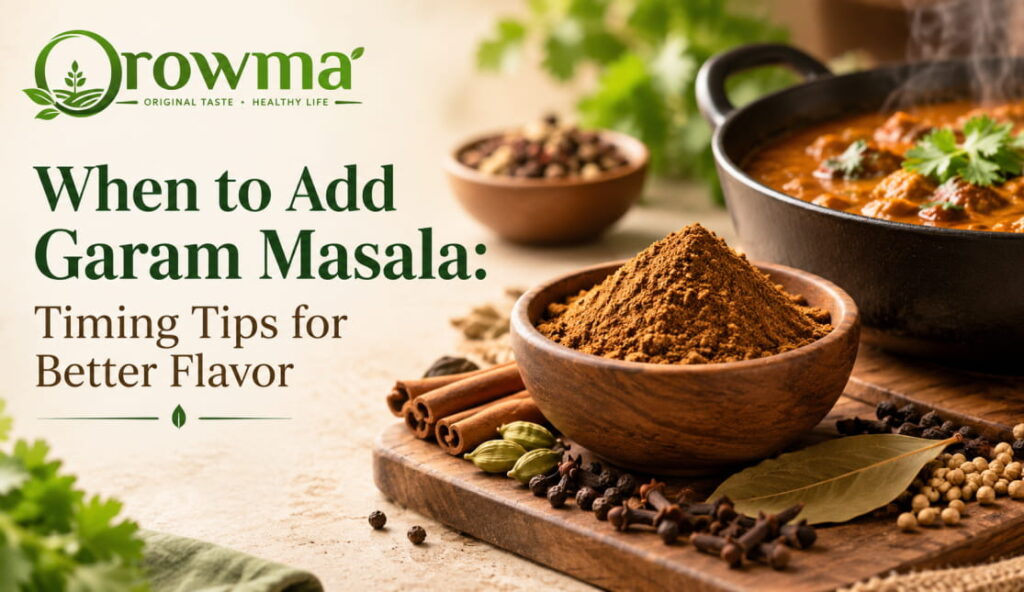
One of the most important things to understand about how to use garam masala is timing. Because many of its ingredients are highly aromatic, cooking the powder for too long over high heat can reduce some of its fragrance.
If you are also comparing different spices for everyday cooking, Orowma’s guide to choosing fresh, pure, and authentic spices can provide additional context on selecting spices.
For dishes such as dal, paneer curry, or gravy-based sabzi, try adding garam masala during the final few minutes of cooking. Stir it into the dish and allow the flavors to come together before serving.
For example, a small amount can add warmth to dal without changing its basic character. In paneer dishes, it can provide a fragrant finishing note alongside tomato, onion, cream, or other ingredients.
Garam masala works well in vegetable curries, chickpea dishes, and other preparations with rich gravies. For chole, it can be added during the later cooking stage or used as part of the final seasoning.
If you are also building a basic Indian spice collection, Orowma’s essential Indian spices for the kitchen provides a useful reference for commonly used spices.
A small amount of garam masala can complement the aromatic ingredients used in biryani and other rice dishes. Depending on the recipe, it may be mixed into the masala, added during cooking, or used in a finishing layer.
The key is moderation. Too much garam masala spice powder can dominate delicate ingredients and make the dish taste overly woody or intense.
Garam masala is different from using individual spices separately. When you use cumin, coriander, cardamom, or black pepper on their own, each contributes a distinct flavor. A garam masala spice blend combines several characteristics at once.
For example, adding cumin seeds at the beginning of cooking can provide an earthy base, while adding garam masala later can give the finished dish a more aromatic character. Orowma’s premium cumin seeds can be used separately when a recipe calls specifically for whole cumin.
Begin with around a small pinch or a modest quantity for a typical home-cooked dish, then taste and adjust. The strength of different blends can vary considerably.
Garam masala is primarily an aromatic blend. Adding more does not necessarily make a dish better or more flavorful. Too much can overpower vegetables, paneer, lentils, or other ingredients.
Aromatic spices gradually lose their fragrance when exposed to heat, moisture, light, and air. Keep your garam masala powder in a tightly sealed container in a cool, dry cupboard. Orowma also covers practical spice storage in its guide to storing spices at home for freshness.
Freshly prepared spice blends can have a noticeably stronger aroma because volatile oils are more pronounced when the spices are fresh. Whether using homemade or packaged blends, storing them properly helps retain their characteristic fragrance.
You can also browse Orowma’s range of Indian spices Online when comparing different types of whole and ground spices for everyday cooking.
Garam masala is a versatile Indian spice blend that adds warmth, aroma, and depth to many everyday dishes. Its ingredients are not fixed, so the flavor can differ significantly between regional recipes, households, and commercial blends. Common ingredients such as cumin, coriander, cardamom, cinnamon, cloves, and black pepper create a layered flavor that works particularly well in curries, dal, paneer, sabzi, chole, and biryani.
For the best results, use garam masala thoughtfully rather than treating it like a basic heat-producing spice. Adding it toward the end of cooking often helps retain its aroma, while using a small amount allows the other ingredients to remain noticeable. Whether you choose homemade or packaged fresh spices, understanding the blend and timing your addition can make Indian cooking more flavorful and balanced.
Garam masala is commonly made with spices such as cumin, coriander, cardamom, cinnamon, cloves, and black pepper. Recipes vary by region and household.
Garam masala is usually aromatic and warming rather than simply hot. Its level of heat depends on the ingredients used, especially the amount of black pepper or chilli included.
Garam masala is often added toward the end of cooking or during the final few minutes. This helps retain its distinctive aroma.
Yes. A small amount of garam masala can be added to dal near the end of cooking to give it additional warmth and fragrance.
Yes. Garam masala can be used in biryani and other rice dishes, although the amount and timing depend on the recipe and other spices being used.
They are different spice blends. Garam masala is an Indian spice blend with many regional variations, while curry powder is a broader commercial blend whose ingredients and flavor profile can vary.
At Orowma, we bring authentic Indian flavors to your kitchen with carefully crafted spices and masalas. Made using traditional recipes and quality ingredients, our range includes spice powders, blended masalas, and whole
Get Started Now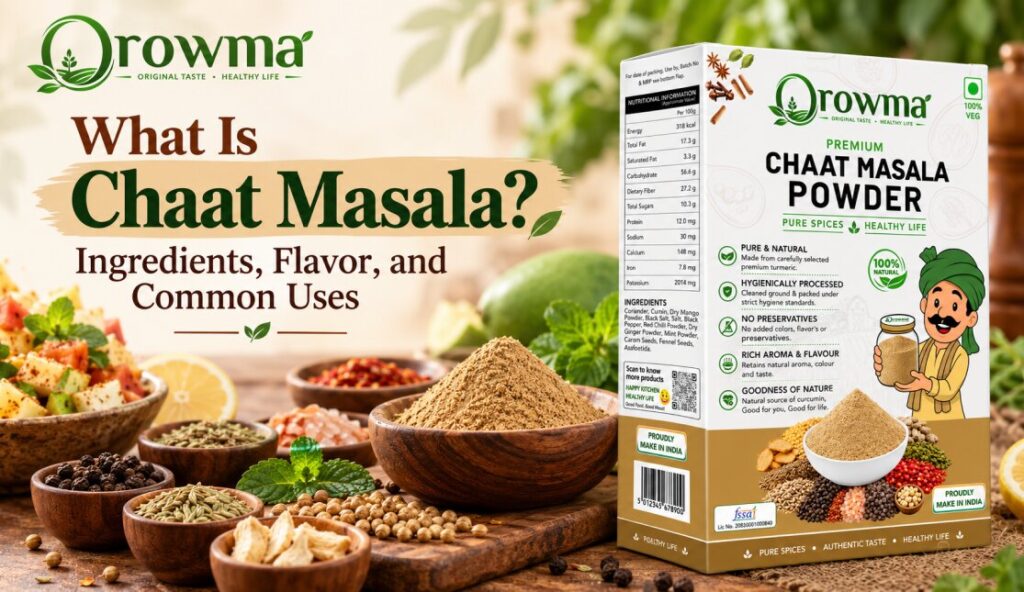
Date: 30 October 2026
Date: 27 October 2026
Date: 25 October 2026
We use cookies to improve your browsing experience, analyze website traffic, and provide essential website functionality. You can accept all cookies, reject non-essential cookies, or manage your preferences.
Manage your cookie preferences. You can enable or disable different categories of cookies below.
Essential cookies enable basic functions and are necessary for the proper function of the website.
Marketing cookies are used to follow visitors to websites. The intention is to show ads that are relevant and engaging to the individual user.
Website security powered by MilesWeb
Login to continue to Orowma
Join Orowma today
Enter the 6-digit code sent to your email.